Residential Locksmith North Melbourne
Houses, apartments, townhouses and rental properties. North Melbourne's housing stock spans more than a century, and the door hardware reflects it — which is why the assessment starts with the door rather than the lock.
Residential locksmith work is mostly unglamorous problem-solving. A front door that needs to be lifted before the key turns. A back door that only latches if you pull it firmly. A key that has become progressively harder to use. A set of keys where nobody is entirely sure how many copies exist.
None of those are exotic faults, and most of them have a clear cause once the entry is looked at as a whole — door, frame, hinges, latch, strike, cylinder and key together.
Houses
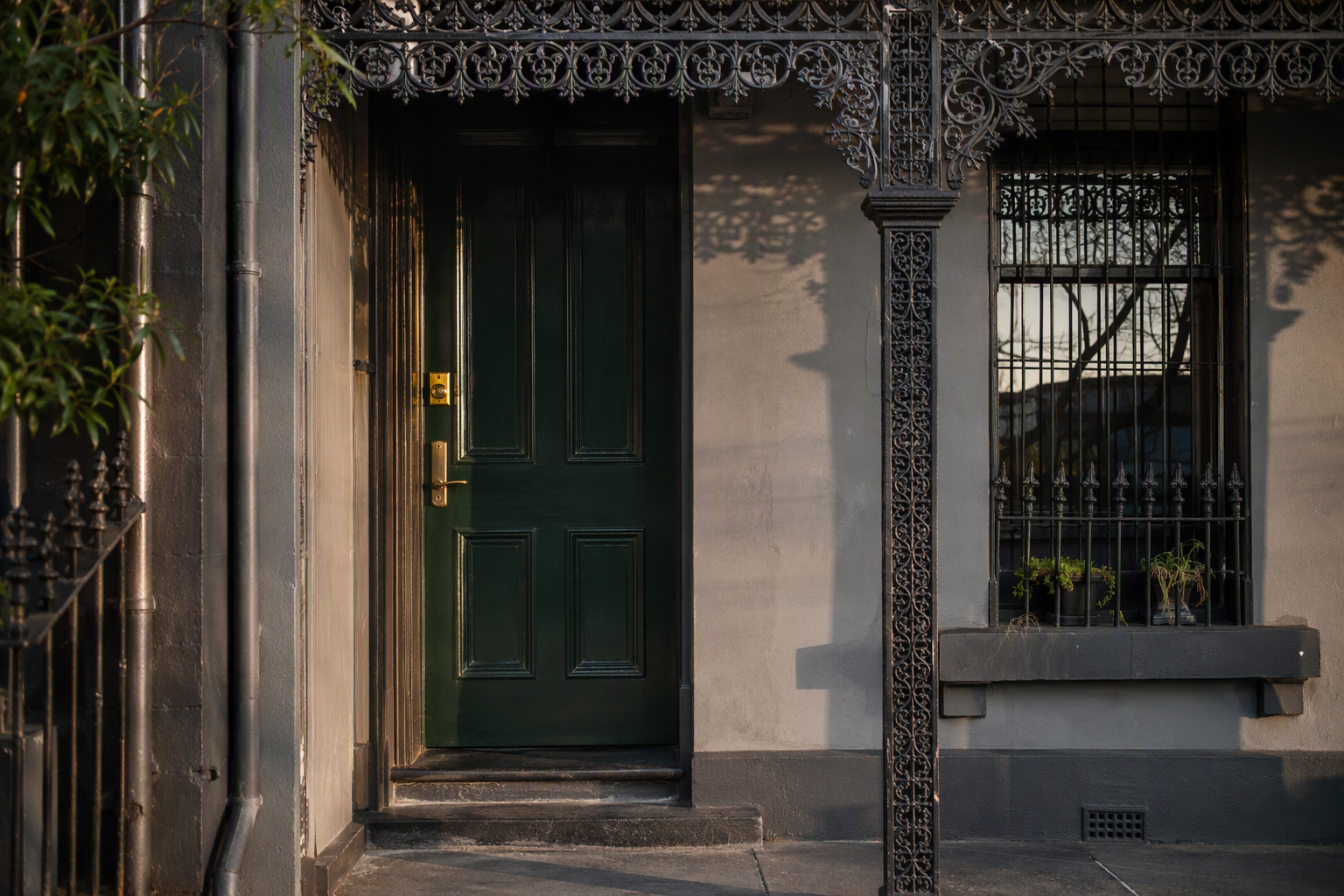
Single-fronted and double-fronted period homes make up much of the area. Timber doors and frames move with moisture and temperature, and buildings settle over decades. That movement is behind a large share of reported lock faults: the lock is fine, but the geometry it depends on has shifted.
- Doors that bind or drop, requiring pressure before the key will turn.
- Original mortice locks with worn levers or springs.
- Strike plates and keeps that no longer line up with the latch.
- Layers of added hardware — screen doors, later cylinders, secondary deadbolts — each with separate keys.
Apartments
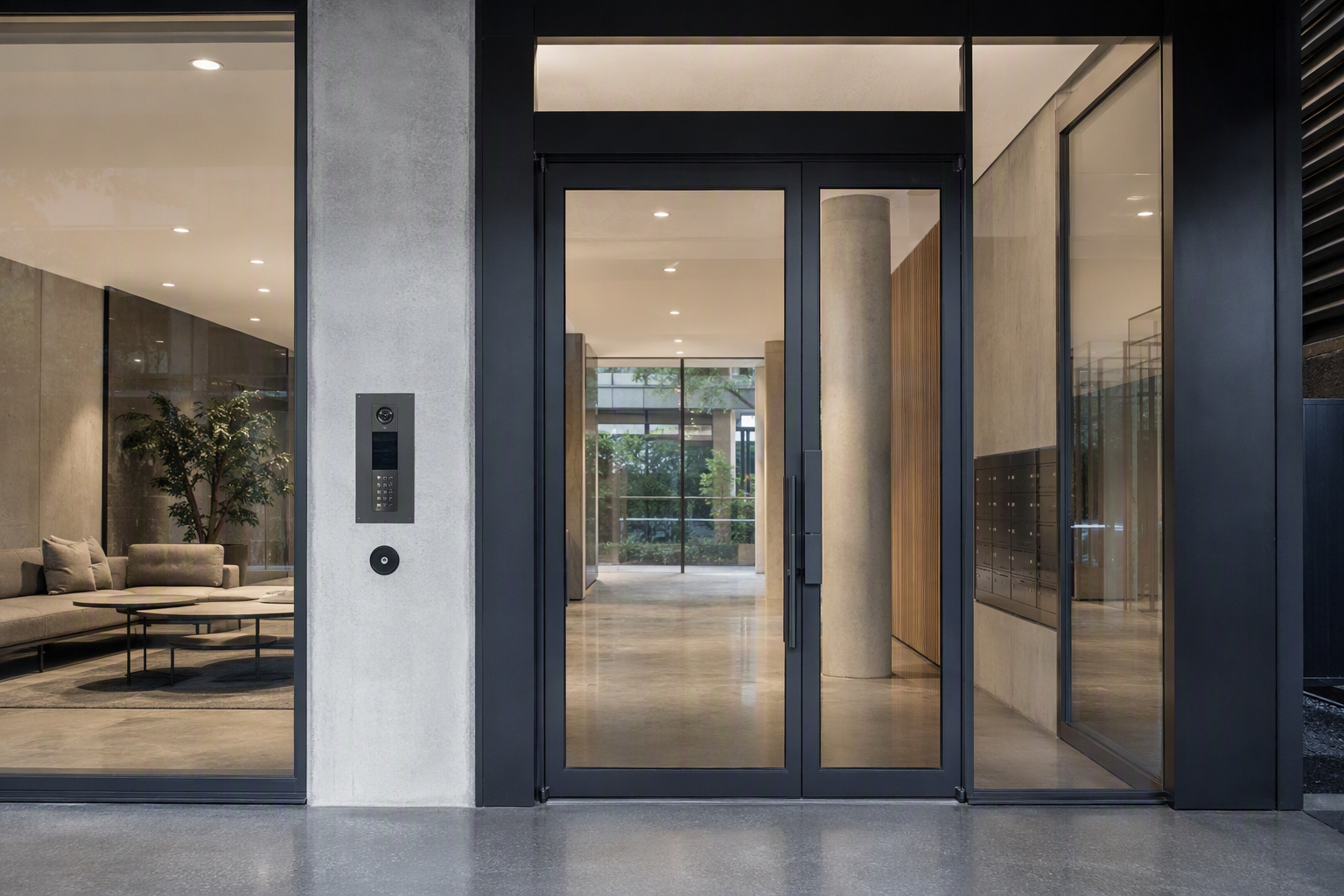
Apartments have two access points worth distinguishing: your own apartment door and the communal building entrance. They are governed differently. Your door is generally yours to arrange work on. A shared lobby door, car park door or gate normally sits with the owners corporation or building management, and work on it needs their authorisation.
Apartment doors themselves also differ from a typical house entry. Many form part of a fire-rated door set where the door, frame and hardware are certified as an assembly, so hardware cannot be substituted freely. Where an entrance uses an intercom, fob or reader, the mechanical lock is only one part of the system.
There is more detail in locksmith considerations for apartment entrances.
Townhouses
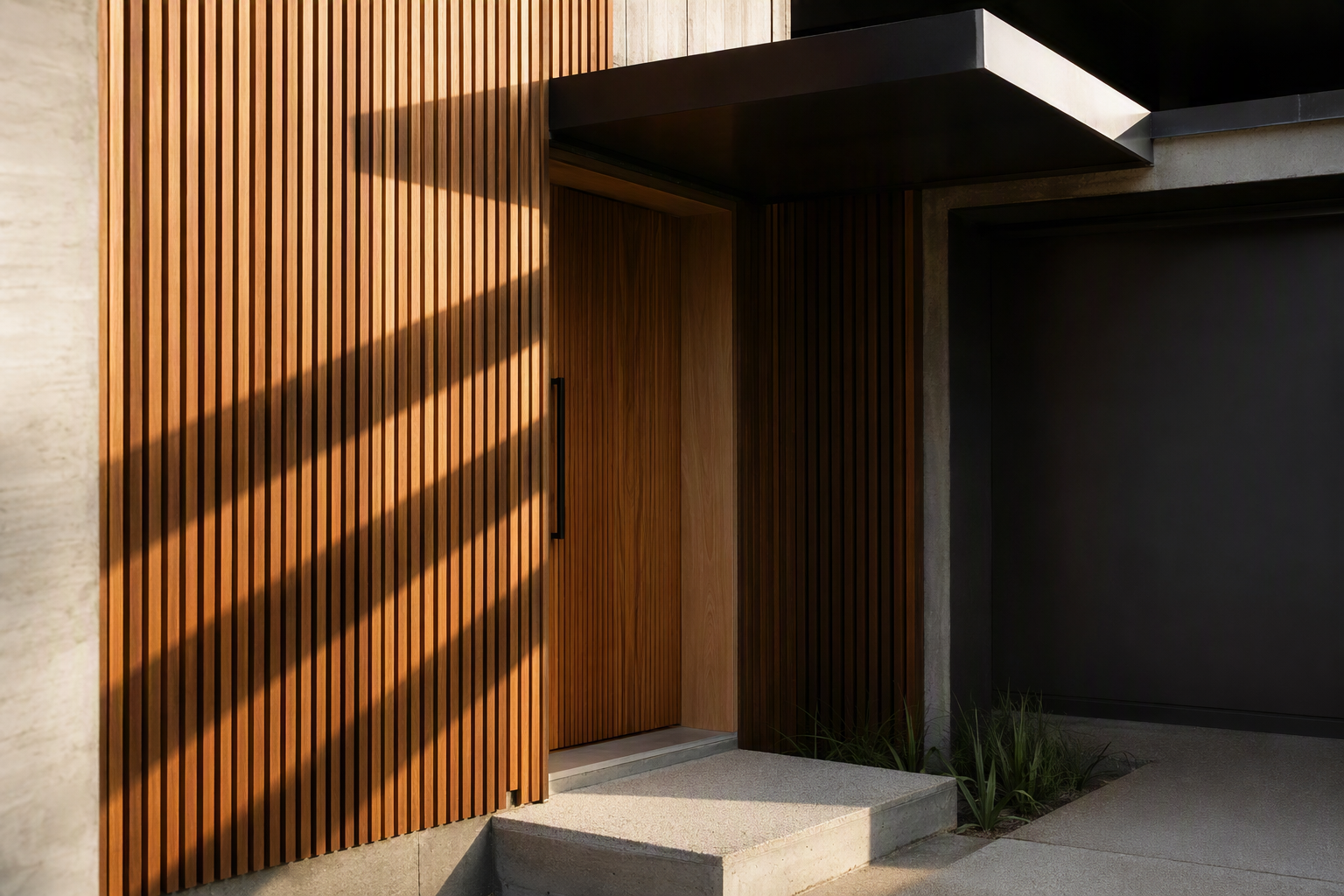
Newer townhouse infill is common across North Melbourne and neighbouring suburbs. Hardware tends to be more consistent than in period homes, and door sets are usually contemporary — which makes compatibility easier but not automatic. Garage doors, side gates and rear entries often use different hardware from the front door and are worth mentioning in an enquiry.
Rental properties
In a rental, the authorisation question is the first one to resolve. Depending on the arrangement, the person who can approve locksmith work may be the owner, the managing agent, or the tenant within specific limits. Getting that clear at the start avoids work being ordered and then paused.
It is also worth being explicit about which keys exist and who holds them, since that determines whether the sensible outcome is a repair, a replacement or rekeying.
Entry doors and lock issues
The front entry does the most work and shows it first. Typical symptoms are stiff operation, a latch that needs the door pulled to catch, a handle that no longer returns fully, or a deadbolt that throws freely with the door open but binds when it is closed. That last one is almost always alignment rather than the lock.
Where the fault is specific and the hardware is sound, a repair or adjustment is usually the right answer. Where the mechanism is worn past adjustment, see lock replacement.
Lost keys
A missing key raises two separate questions: how to regain access, and what to do about the fact that a key is unaccounted for. The first is an access problem. The second is a decision between leaving things as they are, rekeying the lock so the missing key no longer works, or replacing hardware.
Where the lock is in good condition, rekeying is often the lighter-touch option — but only for locks designed to be rekeyed.
Residential questions
When should a lock be repaired?
Repair can be appropriate when the lock body itself is sound and the problem is a specific, serviceable fault — a misaligned strike plate, a dry or dirty cylinder, a loose handle, or a component that can be adjusted or replaced individually. Repair is less appropriate when the hardware is significantly worn, damaged, or no longer suits how the door is used.
What is rekeying?
Rekeying changes the internal configuration of an existing lock so that it operates with a different key. The lock body stays on the door. It only applies to locks that are designed to be rekeyed and that are in serviceable condition, so the specific hardware needs to be checked first.
Do you work with apartment doors?
Yes — apartment entry doors are a regular part of residential locksmith work. Apartments often involve fire-rated door sets, communal entrances, intercom or reader-controlled access, and owners corporation rules. Work on a shared entrance usually needs to be arranged through building management rather than an individual resident.
Do I need to provide identification or proof of access?
Yes. Before work is carried out on a lock, it is standard practice to confirm that you are entitled to authorise it — for example as the owner, the resident, or an authorised representative such as a property manager. This protects you and the property. Having identification or documentation available helps the job proceed without delay.
Where we work
North Melbourne is the primary area, with residential work also carried out in West Melbourne, Kensington, Parkville, Flemington and Carlton. See the service areas page for the full list, or the North Melbourne page for local detail.
Get back to what you were doing.
Tell us what is happening with your lock, door or access and we'll help you understand the next step.
15 Melrose St, North Melbourne VIC 3051, Australia