Rekeying Services North Melbourne
Rekeying changes which key operates a lock, without replacing the lock itself. It is a narrower piece of work than replacement — and it only applies to hardware that supports it.
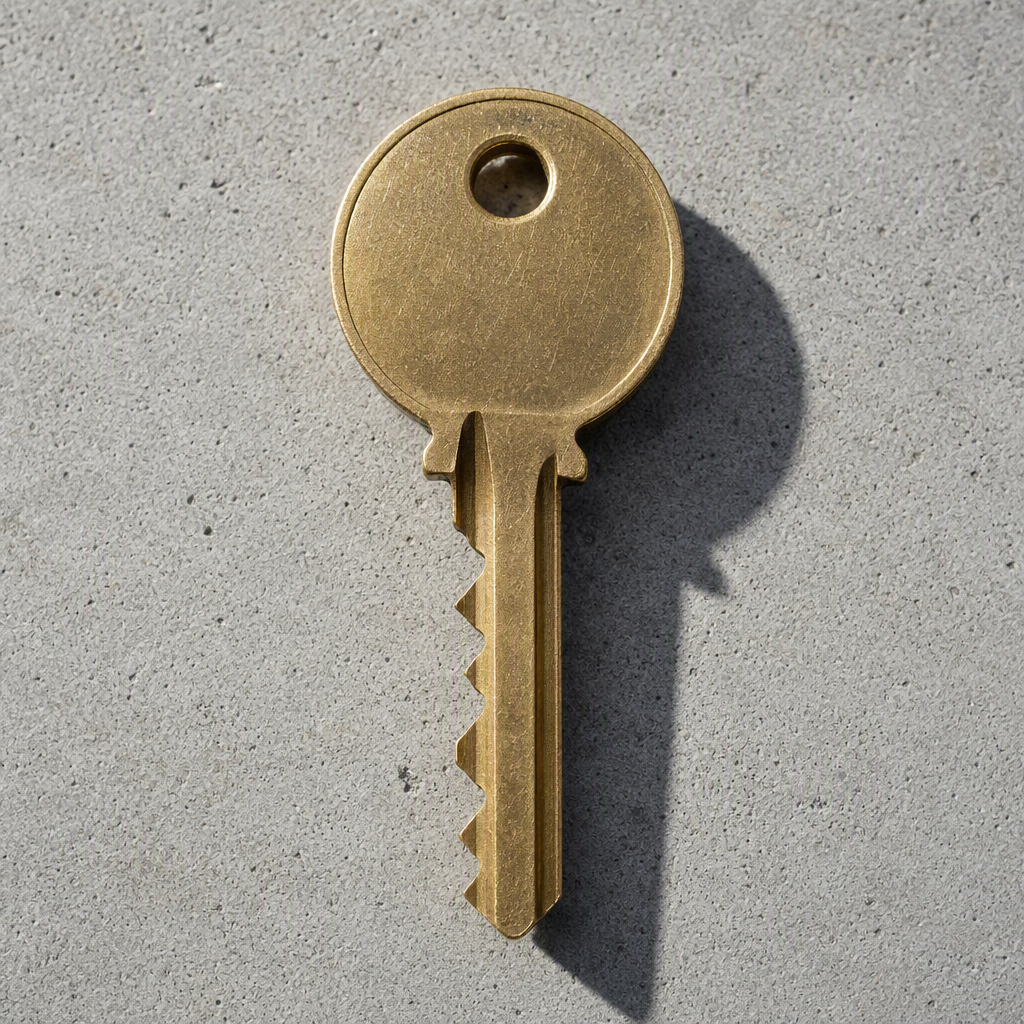
What rekeying means
Inside a typical cylinder lock there is a set of internal components that must align correctly before the mechanism will turn. A key works because its cuts push those components into the correct alignment. Rekeying changes that internal configuration so it corresponds to a different key.
The lock stays on the door. The visible hardware does not change. What changes is which key operates it — and, importantly, the previous key stops working.
When it may be useful
- Keys are unaccounted for and you want the missing key to stop working, while the hardware itself is in good condition.
- A tenancy has changed and the keys held by previous occupants should no longer operate the lock.
- Keys have been distributed more widely than intended, across staff, contractors or household members.
- You want several existing locks to operate on one key, where the hardware allows it.
- A key has been lost rather than a lock having failed, so the problem is the key situation rather than the mechanism.
Where the lock is in good order and only the key situation has changed, rekeying is generally the lighter-touch option.
How it differs from replacing a lock
The distinction is worth being precise about, because the two are commonly conflated.
Keeps the existing lock and hardware. Changes the internal configuration so a different key operates it. Suitable where the lock is sound and supports being rekeyed. Does not improve a worn or damaged mechanism.
Removes the existing hardware and fits new hardware. Suitable where the lock is worn, damaged, unsupported or poorly matched to the door. Necessarily comes with new keys.
A useful way to decide: if the mechanism works properly and the problem is who has a key, rekeying is likely the right question to ask. If the mechanism itself is the problem, see lock repair or lock replacement.
The qualifier: not every lock can be rekeyed
This is the part often left out. Rekeying depends on the lock being designed for it and being in serviceable condition. Some hardware is not built to be rekeyed. Some restricted or patented key systems can only be worked on through their own arrangements. And a cylinder that is already worn is a poor candidate, because rekeying it does not address the wear.
That is why the honest answer to "can you rekey my lock?" is that it depends on the specific hardware on your door. It is worth asking about your lock rather than assuming either way.
What customers should ask about
- Whether the specific locks on the property are of a type that can be rekeyed.
- Whether the existing cylinders are in good enough condition for rekeying to be worthwhile.
- Whether several locks can be brought onto one key, and whether that is sensible for how the property is used.
- How many keys will be provided and whether further copies can be cut later.
- Whether the key system is restricted, and what that means for future copies.
- For apartments and tenancies, who is authorised to approve the work.
What rekeying does not do
Rekeying changes which key operates a lock. It does not repair a worn mechanism, upgrade the physical construction of the hardware, or fix a door that is out of alignment. If the lock has been difficult to operate, rekeying will not resolve that — the underlying fault needs to be dealt with first or instead.
Rekeying questions
When should a lock be replaced?
Replacement tends to make sense when a mechanism is worn beyond adjustment, when the lock has been physically damaged, when parts are no longer obtainable, or when the current hardware is not well matched to the door. Replacement is also common when a door has been altered or when access requirements have changed.
What is rekeying?
Rekeying changes the internal configuration of an existing lock so that it operates with a different key. The lock body stays on the door. It only applies to locks that are designed to be rekeyed and that are in serviceable condition, so the specific hardware needs to be checked first.
Do you work with apartment doors?
Yes — apartment entry doors are a regular part of residential locksmith work. Apartments often involve fire-rated door sets, communal entrances, intercom or reader-controlled access, and owners corporation rules. Work on a shared entrance usually needs to be arranged through building management rather than an individual resident.
How much does a locksmith cost?
Cost depends on the type of lock, the door and frame, the work required and what hardware is needed. Because those variables change the answer significantly, we do not publish fixed prices. Describe the situation through the quote form and you will get a response based on your actual property rather than a generic figure.
Ask about your hardware
Describe your locks through the quote form — the property type, how many doors are involved and what the situation is. There is further background in what does rekeying a lock actually mean.
Get back to what you were doing.
Tell us what is happening with your lock, door or access and we'll help you understand the next step.
15 Melrose St, North Melbourne VIC 3051, Australia