Locksmith Services North Melbourne
Locksmith work covers everything that controls access to a property: the lock, the cylinder, the latch, the strike, the handle and the key. This page explains the situations we work on, how they are assessed, and what to expect when you get in touch.
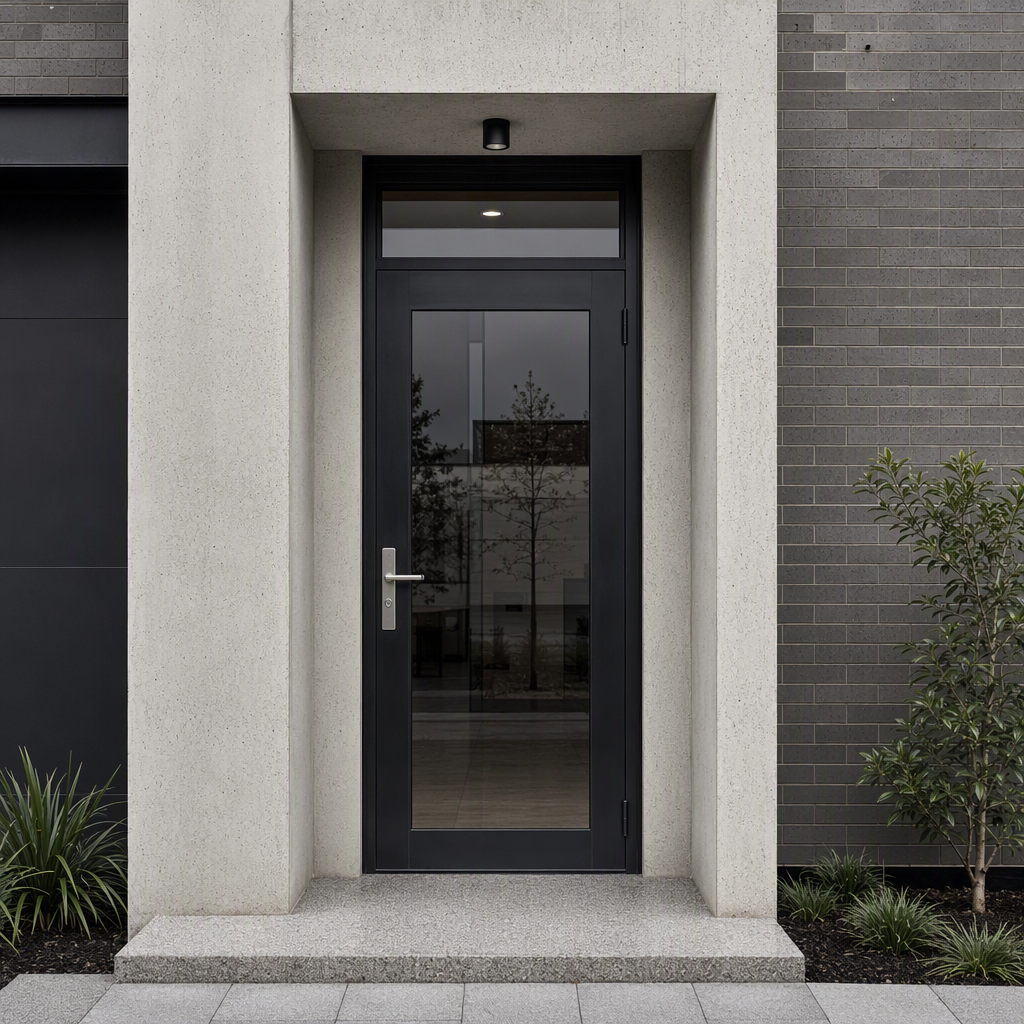
Most people contact a locksmith at the point where a door has stopped cooperating. The key will not turn, the latch will not catch, a key is missing, or a lock needs to be changed because circumstances have. What follows is less about products and more about diagnosis: establishing which part of the entry has actually changed, and what the sensible response to that is.
That is the reason this site starts with a symptom rather than a service list. The same reported problem — "my key won't turn" — can be a dry cylinder, a dropped door, a worn key, a misaligned strike plate, or a damaged mechanism. The fix, the time it takes and the cost are all different.
- StreetWhere the property is and how it is reached.
- BuildingWhat kind of building it is and who authorises work.
- DoorThe door, frame and alignment the lock depends on.
- LockThe mechanism, its condition and its key.
- AccessA door that works the way it should.
Residential locksmith situations
Houses, apartments, townhouses and rental properties across North Melbourne. In period housing the most common calls involve doors that have moved with the seasons, mortice locks that have accumulated decades of wear, and layers of added hardware — a security screen, a later cylinder, a second deadbolt — each with its own key.
Apartments introduce a second consideration: whether the door in question is your own or a shared entrance. Communal doors, lobbies and car park entries are normally arranged through building management rather than an individual resident.
Read more on the residential locksmith page.
Commercial locksmith situations
Offices, retail tenancies, commercial and mixed-use buildings. Commercial doors cycle far more often than domestic ones, so wear appears faster and is usually gradual — a latch that has become progressively harder to catch, a closer that no longer pulls the door home, a cylinder with developing play.
Commercial work also involves more people with a legitimate interest. A tenant, a building owner and a property manager may each be involved, and the person reporting a problem is not always the person authorised to approve the work. Clarifying that at the enquiry stage prevents jobs stalling halfway.
Read more on the commercial locksmith page.
Lock problems and access issues
A lock problem and an access problem are related but not identical. A lock problem is a mechanism that is not operating as it should. An access problem is being unable to get in — which may be caused by the lock, by the key, or by the door itself while the lock works perfectly well.
- The key turns but the door will not open — often a latch, strike or alignment issue rather than a lock fault.
- The key will not turn at all — a cylinder, a worn or incorrect key, or a mechanism under load from a dropped door.
- The key has snapped, with part of it remaining in the cylinder.
- Keys are missing or unaccounted for, and the lock itself is in good condition.
- The door will not close or latch, so it cannot be secured.
If you are currently unable to access a property, avoid forcing the door or continuing to turn a key that will not move — that is the most common way a straightforward problem becomes a hardware replacement.
Repair, replacement and rekeying
These three are frequently confused. Repair keeps the existing lock and corrects a specific fault. Replacement fits new hardware in place of the old. Rekeying keeps the hardware but changes which key operates it, where the lock supports that.
Which one applies is determined on the door, not from a catalogue. A lock that is otherwise sound with a serviceable fault is a repair candidate. Hardware worn past adjustment, physically damaged, or unsuited to how the door is used points toward replacement. A sound lock with a changed key situation points toward rekeying.
The detail pages cover each in turn: lock repair, lock replacement and rekeying.
What customers can expect
The sequence is deliberately unremarkable: you describe what is happening, the property and door are assessed, the work is agreed before it is carried out, and the result is checked before the job is considered finished.
- A description of what has been found, in plain terms rather than trade shorthand.
- An explanation of the options, including where a smaller piece of work would resolve the problem.
- Confirmation that you are entitled to authorise work on the door — standard practice that protects you and the property.
- A check that the door closes, the lock operates and the keys behave as they should before the work is signed off.
We do not publish fixed prices or guaranteed response times, because both depend on the specific job and the current schedule. You will get an honest answer when you ask rather than a headline figure that changes on arrival.
How to request assistance
Use the three-step quote form on the contact page. It asks for the property type, what is happening, and how to reach you. The more specific you can be about the door and what the key does, the more useful the response will be.
If you are not sure which category your problem falls into, start from the symptom selector on the homepage. Service coverage is listed on the service areas page.
Locksmith questions
What does a locksmith do?
A locksmith works on the hardware that controls access to a property — locks, cylinders, latches, handles, strikes and keys. That covers helping with access problems, diagnosing why a lock is not operating correctly, repairing or replacing hardware, and changing which key operates a lock.
Can a locksmith help if I'm locked out?
Access problems are a standard part of locksmith work. Get in touch and describe the property, the door and what has happened — for example whether a key is lost, snapped, or locked inside. That determines the approach and what needs to be brought to site. Availability depends on the day and the current schedule, so please confirm when you contact us rather than assuming immediate attendance.
How much does a locksmith cost?
Cost depends on the type of lock, the door and frame, the work required and what hardware is needed. Because those variables change the answer significantly, we do not publish fixed prices. Describe the situation through the quote form and you will get a response based on your actual property rather than a generic figure.
Do I need to provide identification or proof of access?
Yes. Before work is carried out on a lock, it is standard practice to confirm that you are entitled to authorise it — for example as the owner, the resident, or an authorised representative such as a property manager. This protects you and the property. Having identification or documentation available helps the job proceed without delay.
The full service index
Get back to what you were doing.
Tell us what is happening with your lock, door or access and we'll help you understand the next step.
15 Melrose St, North Melbourne VIC 3051, Australia