Speers Locksmith North Melbourne
Professional locksmith services for homes, apartments, businesses and commercial properties across North Melbourne and surrounding areas.
15 Melrose St, North Melbourne VIC 3051, Australia
A lock problem is rarely just a lock problem.
It may be an access issue, worn hardware, a damaged mechanism, a lost key or simply a door that no longer works the way it should. The first step is understanding what's actually happening.
Tell us what's happeningStart with the symptom.
You don't need to know what kind of lock you have or what the fault is called. Pick the description that sounds closest to your situation and we will explain what usually comes next.
The first thing to establish is why. A lost key, a key that has snapped, a key that will not turn, and a door that is jammed while the lock still works are four different situations with four different approaches. Tell us which one describes yours, along with the property and door type.
Describe the access problemStiff cylinders, latches that will not catch and handles that no longer return are often symptoms of alignment or wear rather than a failed lock. The assessment looks at the lock, the door and the frame together, because in older buildings the door is frequently the cause.
Ask about lock repairA worn key, a bent or snapped key, or keys that are unaccounted for each lead somewhere different. Where the lock itself is sound and only the key situation has changed, rekeying may be an option depending on the hardware.
Read about rekeyingPlanned work rather than an urgent problem. The starting point is compatibility: the door, the frame, the existing hardware and how the entry is actually used. That determines what can be fitted and what is worth fitting.
Ask about lock replacementNot every situation fits a category, and it is not your job to diagnose it. Describe the property and what you are experiencing in plain terms, and the first step is working out what is actually happening.
Make a general enquiryA schematic entry: frame, leaf, swing and hardware. Most access problems are located in one of these four elements.
What we work on.
Six categories of locksmith work. If your situation spans more than one, start with the closest match — the assessment resolves the rest.
General locksmith work across homes, apartments and commercial premises in North Melbourne — from a door that no longer latches properly to a lock that needs to be changed. If you are unsure which category your problem falls into, start here and describe what is happening.
Read about locksmith servicesHouses, apartments, townhouses and rental properties. Entry door locks, internal door hardware, lost keys, worn mechanisms and lock changes — including the older door types common in North Melbourne terraces.
Read about residentialOffices, retail tenancies, commercial and mixed-use buildings. Work is often coordinated with property managers or building owners, and usually involves heavier-duty door hardware than a domestic entry.
Read about commercialStiff cylinders, misaligned strikes, worn latches and handles that no longer return. Some faults can reasonably be repaired or adjusted. Others are more practically resolved by replacement — we will tell you which situation you are in.
Read about lock repairReplacing a lock that is damaged, worn beyond adjustment, or no longer suitable for how the door is used. Compatibility with the existing door, frame and hardware is the first thing that gets checked.
Read about lock replacementChanging which key operates an existing lock, where the lock supports it. Useful when keys are unaccounted for or when access needs to change, without replacing hardware that is otherwise in good condition.
Read about rekeyingThe city grid.
Every access problem sits somewhere in a stack of five layers. Working down the stack — rather than starting at the lock — is what turns a vague complaint into a specific, solvable fault.
The street sets the constraints
Frontage, kerb, setback and access route. Whether a door opens straight onto the footpath or sits behind a gate changes how the work is carried out before anyone touches a lock.
The building sets the rules
A single dwelling, a walk-up block, a mixed-use development or a commercial tenancy each carry different ownership and authorisation. Who can approve work is a building-level question.
The entry defines the boundary
Communal entrance or private door. Shared entries usually sit with building management, while your own door is generally yours to arrange. Identifying this early prevents delay.
The door explains most faults
Material, thickness, frame condition, hinges and alignment. In older housing, a large share of reported lock problems are really door problems that have accumulated over time.
The lock is the last layer
Cylinder, latch, strike and key. By the time the lock is examined, the four layers above it have already narrowed the likely cause and the sensible options.
Built for North Melbourne.
North Melbourne is not one kind of property. Within a few streets you will find single-fronted Victorian terraces, converted warehouses, post-war walk-up flats, recent townhouse infill, apartment developments, offices above shops and street-level retail.
That mix matters because door, lock and hardware configurations vary accordingly. A century-old timber door with a mortice lock, a fire-rated apartment entry, and a commercial shopfront with a closer and push bar are three different problems even when the reported symptom sounds identical.
It also changes who authorises the work. A house is straightforward. A communal apartment entrance usually goes through building management. A retail tenancy may involve both a tenant and a property owner.
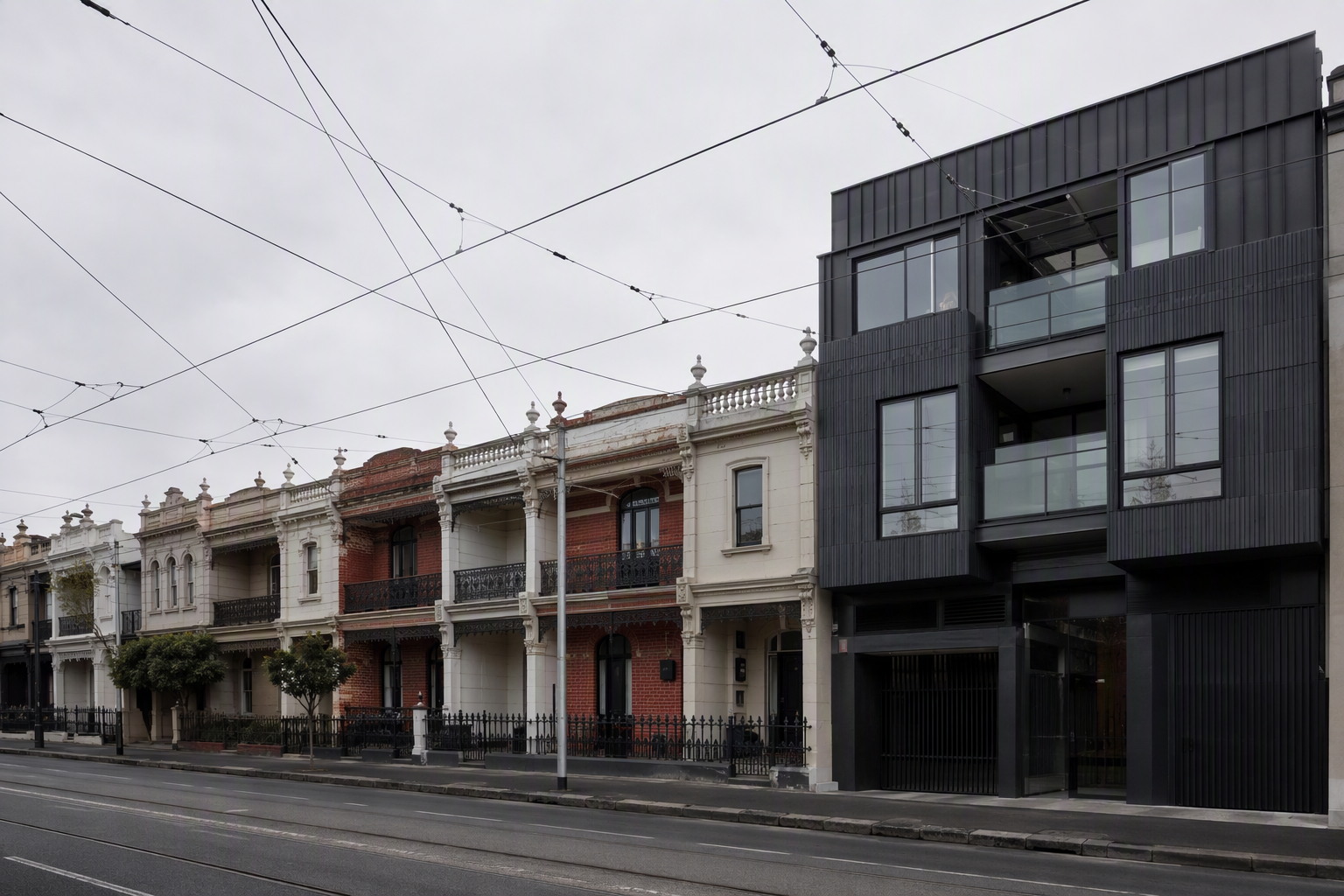
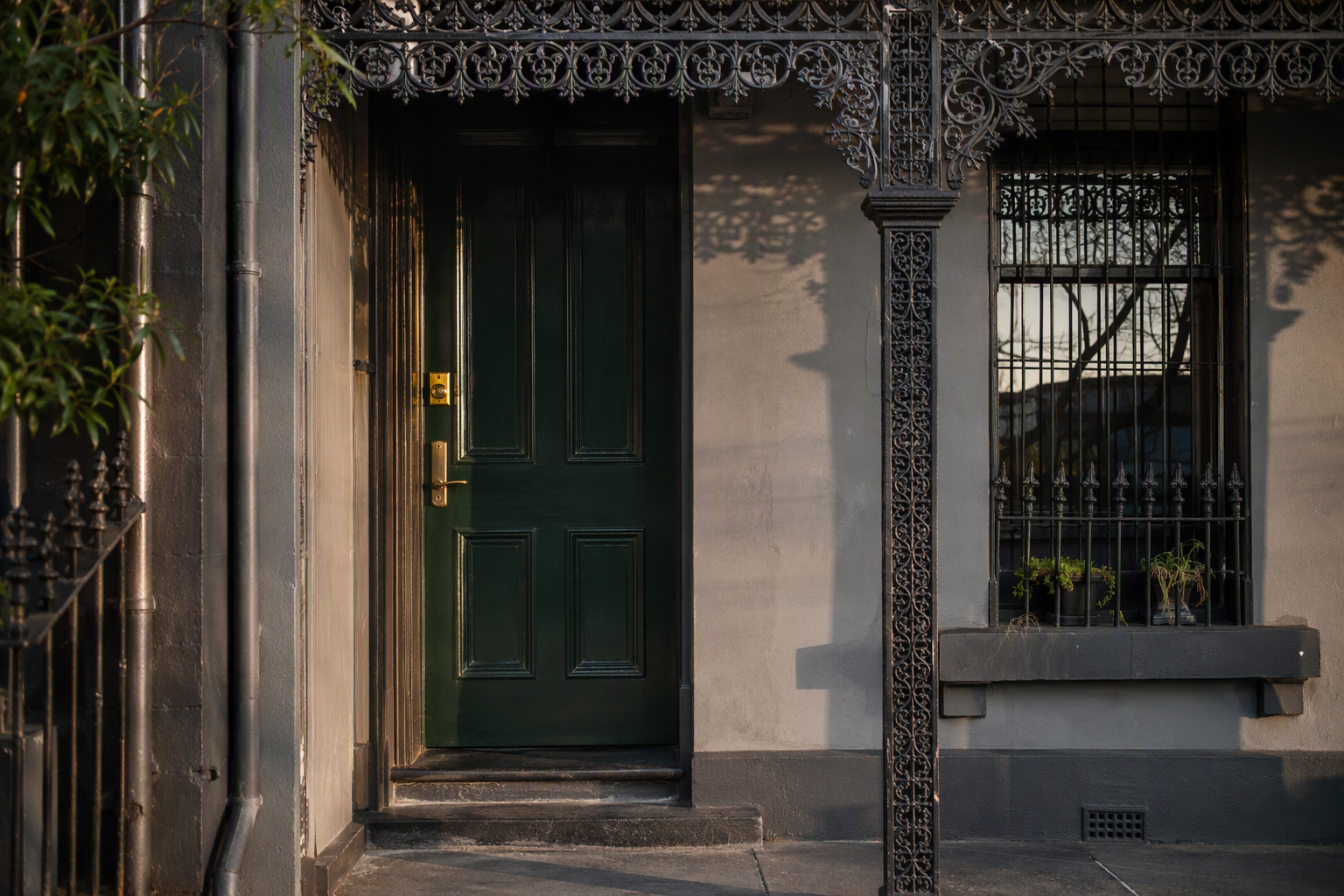
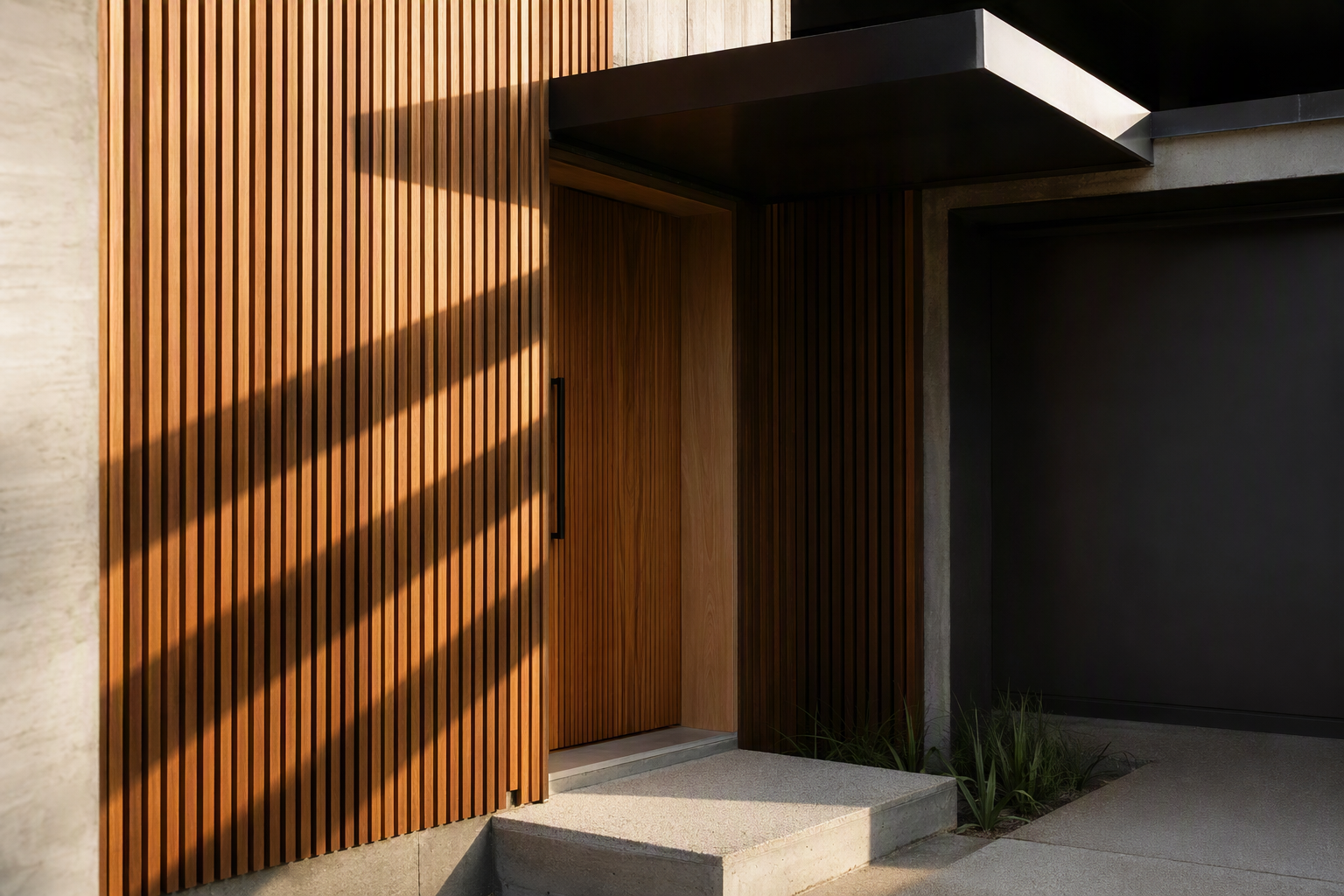
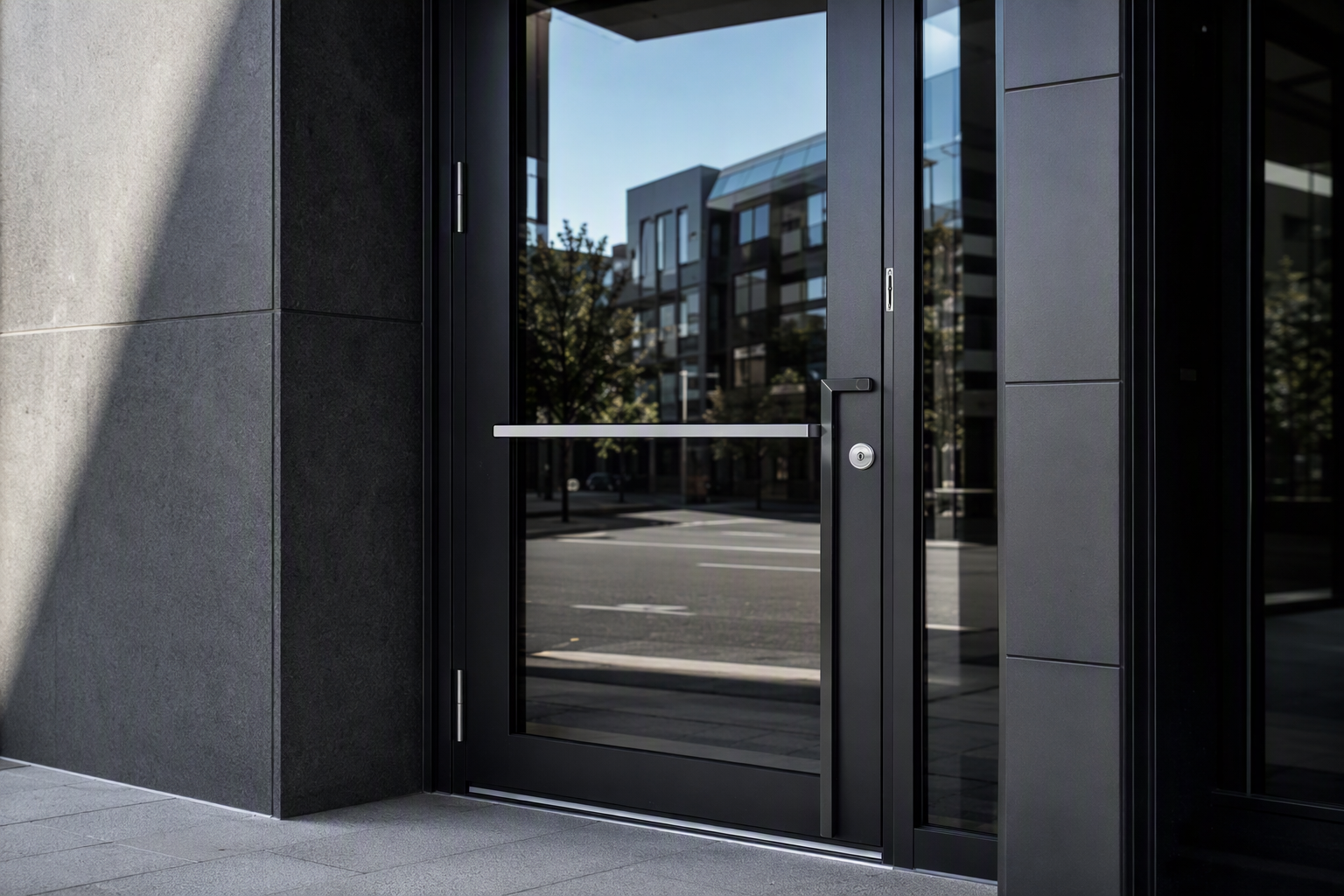
Architectural reference photography — not photographs of Speers Locksmith work.
Which way forward?
I need help now
An access-related problem affecting a property today. Describe the door, the property and what has happened so the right approach can be worked out. Availability is confirmed when you make contact rather than promised in advance.
Describe the situationI need a quote
Planned locksmith work — a lock to be changed, hardware to be replaced, or a set of doors to be looked at. Three short steps, and enough detail to give you a considered response.
Start a quoteI want to understand my options
Still deciding between repair, replacement and rekeying. Read how the three differ and what determines which one applies to your door.
Compare the optionsThe standard is simple.
- Clear
- You should understand what is being recommended and why, in language that makes sense without a trade background.
- Careful
- The door, the frame and the surrounding hardware are part of the job. Work is carried out with respect for the property it is fitted to.
- Practical
- The focus stays on the actual problem. If a smaller piece of work resolves it, that is what gets recommended.
- Local
- North Melbourne is the primary service area, along with the surrounding suburbs listed on the service areas page.
From problem to access.
Four stages. No inflated promises about how quickly a van arrives — just a sequence that gets the problem understood before anything is changed.
- 01
Contact
Tell us what is happening — the property, the door, and what you can and cannot do with the lock or key.
- 02
Understand
Establish the property and lock situation, including the door, frame and hardware, and confirm authorisation to carry out work.
- 03
Service
Carry out the agreed locksmith work, whether that is an adjustment, a repair, a replacement or rekeying.
- 04
Check
Review the completed work — that the door closes, the lock operates and the keys do what they should.
- StreetWhere the property is and how it is reached.
- BuildingWhat kind of building it is and who authorises work.
- DoorThe door, frame and alignment the lock depends on.
- LockThe mechanism, its condition and its key.
- AccessA door that works the way it should.
Repair or replace?
Repair
Potentially appropriate where a component or mechanism can reasonably be repaired — a misaligned strike, a dry cylinder, a loose handle, or a part that can be serviced or replaced on its own.
- Lock body is otherwise sound
- Fault is specific and serviceable
- Parts remain obtainable
Replace
Potentially appropriate where replacement is more practical — hardware worn past adjustment, physical damage, unavailable parts, or a lock that no longer suits how the door is used.
- Mechanism worn beyond adjustment
- Damage affects how the lock holds
- Requirements for the door have changed
The right option depends on the lock, its condition and the property.
The difference is in the detail.
This module is reserved for genuine before-and-after photography of completed work. It is intentionally empty until real images are available — nothing here is a stock stand-in for a result.
What customers say.
Genuine customer reviews will be added here
Genuine customer reviews will be added here
Genuine customer reviews will be added here
No ratings, names or testimonials are published until they come from real customers. Placeholder content is not marked up as review data.
Common questions.
What does a locksmith do?
A locksmith works on the hardware that controls access to a property — locks, cylinders, latches, handles, strikes and keys. That covers helping with access problems, diagnosing why a lock is not operating correctly, repairing or replacing hardware, and changing which key operates a lock.
Can a locksmith help if I'm locked out?
Access problems are a standard part of locksmith work. Get in touch and describe the property, the door and what has happened — for example whether a key is lost, snapped, or locked inside. That determines the approach and what needs to be brought to site. Availability depends on the day and the current schedule, so please confirm when you contact us rather than assuming immediate attendance.
When should a lock be repaired?
Repair can be appropriate when the lock body itself is sound and the problem is a specific, serviceable fault — a misaligned strike plate, a dry or dirty cylinder, a loose handle, or a component that can be adjusted or replaced individually. Repair is less appropriate when the hardware is significantly worn, damaged, or no longer suits how the door is used.
When should a lock be replaced?
Replacement tends to make sense when a mechanism is worn beyond adjustment, when the lock has been physically damaged, when parts are no longer obtainable, or when the current hardware is not well matched to the door. Replacement is also common when a door has been altered or when access requirements have changed.
What is rekeying?
Rekeying changes the internal configuration of an existing lock so that it operates with a different key. The lock body stays on the door. It only applies to locks that are designed to be rekeyed and that are in serviceable condition, so the specific hardware needs to be checked first.
Do you work with apartment doors?
Yes — apartment entry doors are a regular part of residential locksmith work. Apartments often involve fire-rated door sets, communal entrances, intercom or reader-controlled access, and owners corporation rules. Work on a shared entrance usually needs to be arranged through building management rather than an individual resident.
Guides & advice.
Longer reads on lock problems, access and security — written for North Melbourne properties.
Get back to what you were doing.
Tell us what is happening with your lock, door or access and we'll help you understand the next step.
15 Melrose St, North Melbourne VIC 3051, Australia